 Loading…Loading…Loading…
We value your privacy
We use cookies and ads to keep CinEvo free. You can accept or decline personalized ads.
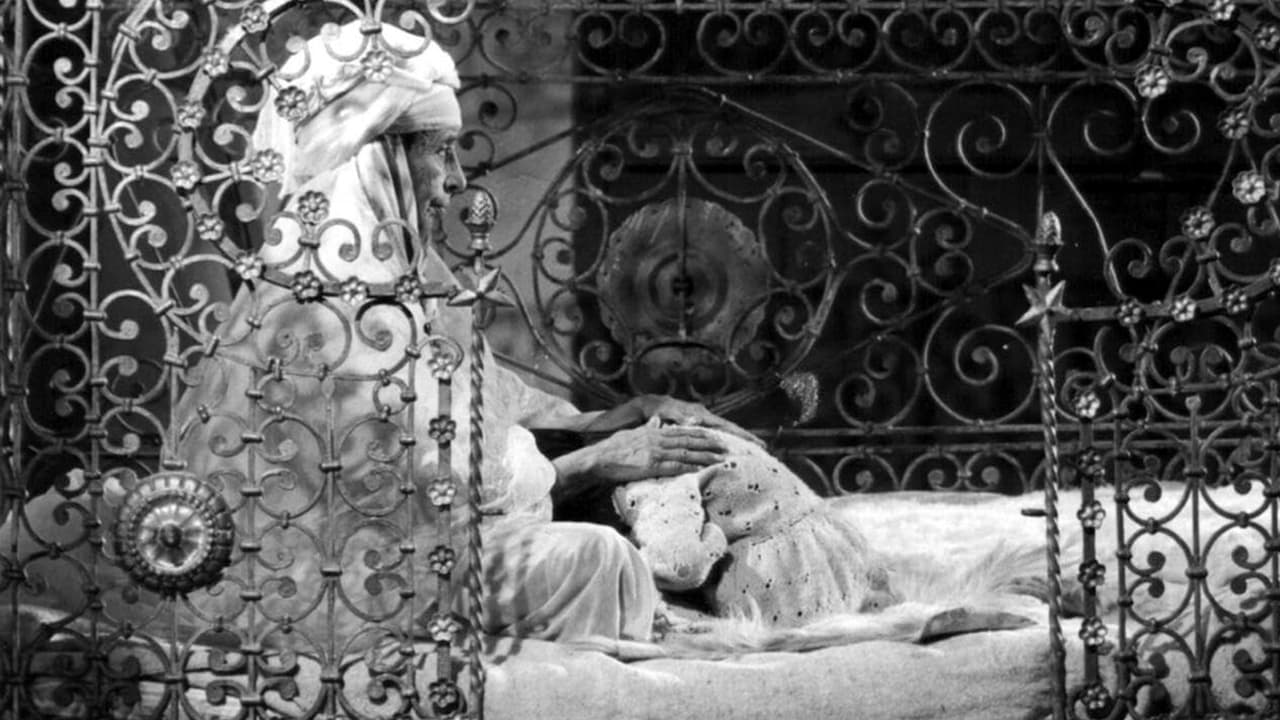
Writer and filmmaker Assia Djebar explores Algerian history, the psychological impact of war, and post-colonial female identity in this 1979 classic of film literature. Named for (and taking its structure from) a traditional song with five distinct movements, the film combines documentary-style observation with loose narrative form to tell the story of Lila, an Algerian expatriate returning to her country 15 years after independence has been won. In comparing her life with the lives and experiences of rural Algeriennes, Lila is able to put her childhood demons to rest and discover a new history -- one written in the ongoing strength of generations of women. Like much of Djebar's writing, the film has a strong subtext dealing with resistance to patriarchy and women's desire to appropriate the means of power and expression -- one of which, of course, is the filmmaker's camera.
October 16, 1978
Office National pour le Commerce et l'Industrie Cinématographique (ONCIC)
2019
2022

2013
2018

2018

2024

2010

2006
2004

2006

2012

2020
2018

2011
2002
2024

2016
2011
2014

2016
2015
2015

2013
2002
2006

1988

1992

1988

2015

2015

2011

2000
2015

2007
2001
2015
1998
2016
1997
1942